


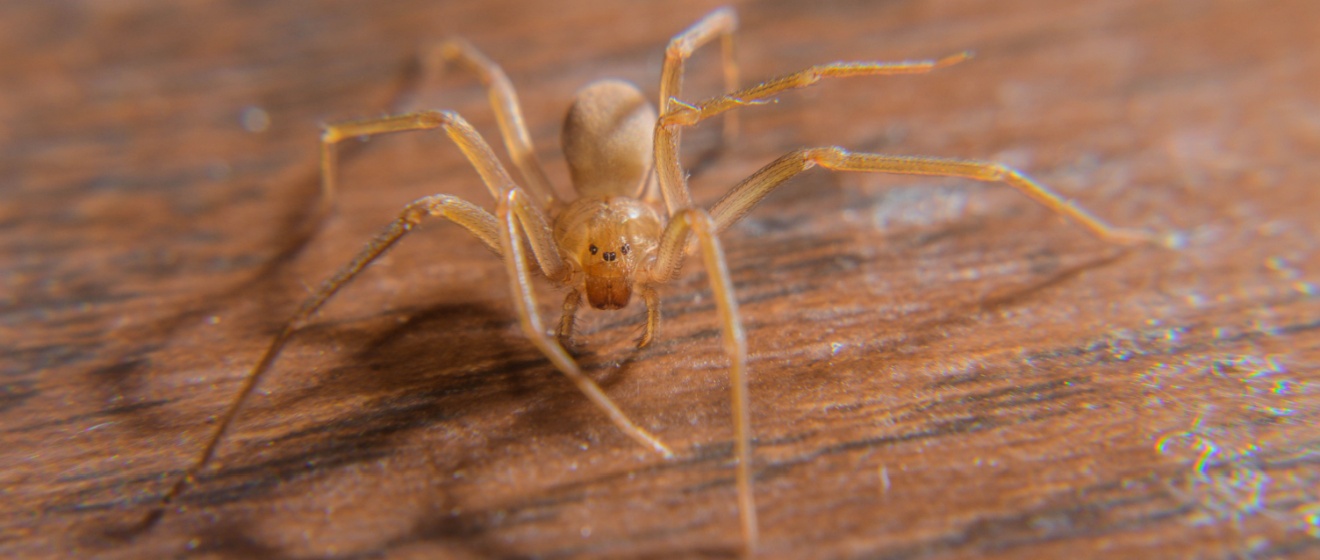
North Georgia might be known for its scenic views and charming neighborhoods, but it’s also a favorite spot for spiders to settle in—especially when cooler nights push their prey indoors. If you’re tired of brushing webs off your porch or spotting shadowy legs in your basement, learning the best ways to prevent spider infestations in North Georgia isn’t just helpful—it’s a must. With a few proactive habits and smart solutions, you can keep your home peaceful, protected, and eight-leg-free all year long.
Here are the best strategies to keep spiders out—and confidence in:
1. Seal Cracks and Entry Points Around Your Home
Spiders are skilled at locating hidden entryways. They’ll creep in through foundation cracks, gaps around doors, and even vent covers that have loosened over time. Weather stripping, caulking, and mesh reinforcements are your best tools here. For optimal results, inspect your home quarterly and seal anything that looks suspect—don’t wait for a web to appear before taking action.
Even the smallest breach can become a pathway for pests. Older homes especially tend to have more settling cracks and gaps that appear over time. Investing in a yearly structural check is a smart move—not just for spider prevention, but for energy efficiency and moisture control.
Sealing these access points also helps discourage other pests like roaches, ants, and even rodents—all of which spiders may follow for an easy meal. Think of it as reinforcing the gate before anything gets through.
2. Reduce Outdoor Lighting at Night
Spiders follow the buffet. When porch lights attract flying insects, spiders treat the area like an all-you-can-eat buffet. Swap out bright bulbs for softer yellow ones, install motion sensors, and switch off unnecessary exterior lights after dark. Fewer bugs mean fewer spiders hunting near your doors and windows.
If you live near a wooded area or open field, reducing outdoor lighting becomes even more critical. Bugs from surrounding areas gravitate toward artificial light, which can quickly turn your porch into a hotspot for arachnid activity. Thoughtful lighting design doesn’t just help with pest control—it improves sleep and saves energy, too.
3. Clear Out Clutter (Inside and Outside)
Spiders thrive in quiet, undisturbed areas—so clearing clutter is one of the most effective spider control tips for homeowners. Tidy up these key areas to remove their favorite hiding spots:
- Storage boxes in the attic or basement
- Cardboard stacks and newspapers in garages
- Overgrown shrubs that touch exterior walls
- Firewood piles stored near the foundation
- Forgotten lawn equipment or garden decor
- Closets packed with rarely worn clothes
- Utility rooms filled with cleaning supplies or bags
This not only disrupts spider habitats but also allows you to detect early signs of activity—like egg sacs or molted spider skins—before a minor issue turns into a major problem.
Clearing clutter also helps with airflow and visibility, making it easier to inspect your home during cleaning or seasonal changes. It sets the tone for proactive pest management and creates a healthier living environment overall.
4. Try Natural Spider Repellents
If you’re not into chemical treatments, natural solutions can offer surprising results. These safe, scent-based options are known to deter spiders:
- Peppermint oil diluted in water and sprayed near entry points
- Citrus peels placed along windowsills or baseboards
- White vinegar used for routine cleaning
- Cedar blocks placed in dressers or closets
- Eucalyptus oil diffused in living spaces
- Lavender sachets tucked behind furniture
- Diatomaceous earth spread in corners or crawl spaces
Consistency is crucial when using natural repellents. Reapply sprays weekly, refresh peels and sachets every few days, and monitor your results over time. These methods can be especially effective when paired with overall cleanliness and clutter control.
Natural repellents are also ideal for households with pets, kids, or sensitivities to synthetic chemicals. Just be sure to double-check any essential oils for safety around animals and children before applying them liberally indoors.
5. Schedule Regular Pest Control Treatments
Spiders often signal a larger insect problem inside your home. Targeting ants, flies, and other food sources means spiders will move on. Kellco Termite and Pest Control provides customized spider control treatments across North Georgia, including long-term prevention plans that keep them from coming back. Our technicians understand spider behavior and know how to interrupt the cycle before it turns into a full infestation.
Routine treatments offer more than just extermination. They provide ongoing inspections that identify trends in pest activity, seasonal risks, and potential vulnerabilities around your home. This kind of professional oversight ensures spiders stay out—not just today, but long-term.
6. Maintain a Clean Exterior Perimeter
Leaves, mulch, and brush can act like a welcome mat for spiders. When debris piles up around the foundation of your home, it becomes an attractive nesting zone. Regular power washing, trimming of shrubs, and cleaning out rain gutters helps eliminate these outdoor magnets. A clean exterior perimeter supports all your indoor efforts and keeps pest pressure low year-round.
Don’t forget to clear corners of the porch ceiling or behind patio furniture, where spider webs often go unnoticed. The more tidy and exposed your perimeter is, the fewer places spiders have to settle and breed close to your home’s entryways.
7. Use Window and Door Screens Properly
Torn screens are basically open invitations. Even if your windows stay closed, spiders can still creep inside if mesh coverings aren’t intact. Upgrading to fine mesh screens, sealing sliding door tracks, and doing seasonal screen inspections all help fortify your home’s defenses. Make screens part of your spider-proofing plan—they’re your first line of defense that often gets overlooked.
Screens also help reduce entry from flying insects, which serve as food for spiders. By lowering insect activity around windows and doors, you reduce the incentive for spiders to set up camp nearby. A small fix with big preventative results.
Why Long-Term Spider Control Starts with Kellco
Preventing spider infestations isn’t just about what you do today—it’s about building habits and systems that keep your home protected year-round. That’s why Kellco Termite and Pest Control continues to be the go-to team for homeowners in North Georgia. We understand the triggers, the entry points, and the seasonal surges that bring spiders too close for comfort.
Our comprehensive treatment plans are designed not only to eliminate current infestations but to anticipate the next one before it ever begins. Whether it’s sealing up vulnerabilities, cutting off food sources, or creating protective barriers around your home, Kellco’s approach combines science, strategy, and service.
You’ve already taken the first step just by learning how to spider-proof your space. Let us help you take the next one—with expert support that brings lasting results.
Give us a call today, and let’s build your home’s pest protection plan from the ground up.